Shoe sizes can be confusing, especially when you encounter letters like “C” in the sizing chart. Most people are familiar with the basic shoe sizes like 7, 8, or 9, but what happens when you see something like “7C” or “10C”? What does C mean in shoe size, and how does it affect your fit? This is a common question, and understanding it can make a big difference when shopping for shoes.
In this blog post, we will break down what “C” means in shoe sizing, how it differs from other letters, and why it’s essential for you to understand this sizing system. Whether you’re shopping for kids’ shoes, women’s shoes, or men’s shoes, knowing how sizing works will help you make the best choices. Let’s dive into the details!
What Does C Mean in Shoe Size?
In the world of shoe sizing, the letter “C” is a crucial indicator of width. Shoe sizes typically come with two main measurements: the length and the width. The length is the most obvious number you’ll see on a size chart, but width is equally important for a proper fit. The letter “C” specifically refers to a narrow width in shoe sizing, typically for children’s shoes, but it can also be used for adult sizes.
C for Children: In kids’ shoe sizes, the letter “C” indicates a narrow width. For example, a “7C” shoe would be a size 7 with a narrow width, making it suitable for children with slender feet.
C for Adults: Though less common, you may also encounter “C” used in adult shoes, especially in brands that offer a wider variety of widths. An adult shoe in size 7C would be a narrower fit than the standard “D” width, which is often considered average for men.
The Shoe Sizing System: What You Need to Know
To understand how “C” fits into the bigger picture, it’s essential to understand the overall shoe sizing system. Shoe sizes are typically broken down into two categories: length and width. Length is what most people focus on when buying shoes. However, width is just as important, especially for those with narrower or wider feet.
Here’s a breakdown of the most common widths you’ll encounter in shoes:
Narrow Widths (A, B, C, D):
A (narrowest, used mostly for women’s shoes)
B (women’s standard)
C (slightly narrower, often used for children’s shoes)
D (standard width for men’s shoes)
Regular Width (D, M):
D is standard for men.
M (medium) is the average or standard width for most women.
Wide Widths (E, EE, EEE):
E (standard for wide-width shoes for men)
EE, EEE (extra wide widths, typically for both men and women)
Knowing your shoe width can make all the difference in comfort. A shoe that is too narrow can cause blisters, pain, and discomfort, while a shoe that is too wide can lead to a lack of support.
How to Measure Shoe Width
When determining your shoe size, it’s essential to know both the length and width of your foot. Here’s a simple way to measure your foot’s width:
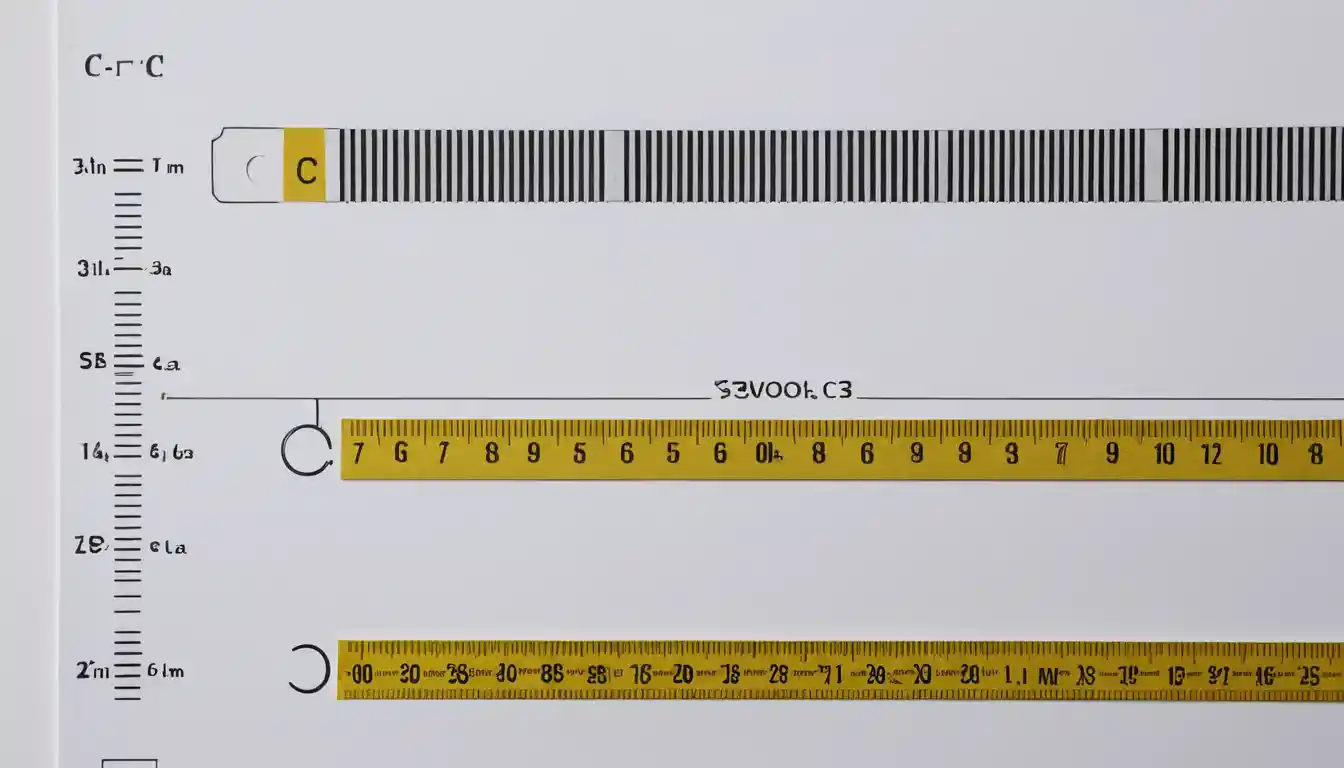
Step 1: Prepare – Place a piece of paper on the floor against a wall. Stand on the paper with your heel against the wall and your toes pointing straight forward.
Step 2: Mark Your Foot – Use a pencil to mark the widest part of your foot (typically at the ball of the foot) and the tip of your longest toe.
Step 3: Measure – Use a ruler or tape measure to measure the distance between the two marks you made. This is your foot’s width.
Once you have your foot width, you can refer to a shoe size chart to find the right width category. For children’s shoes, a “C” width generally means the shoe is designed for a narrow foot.
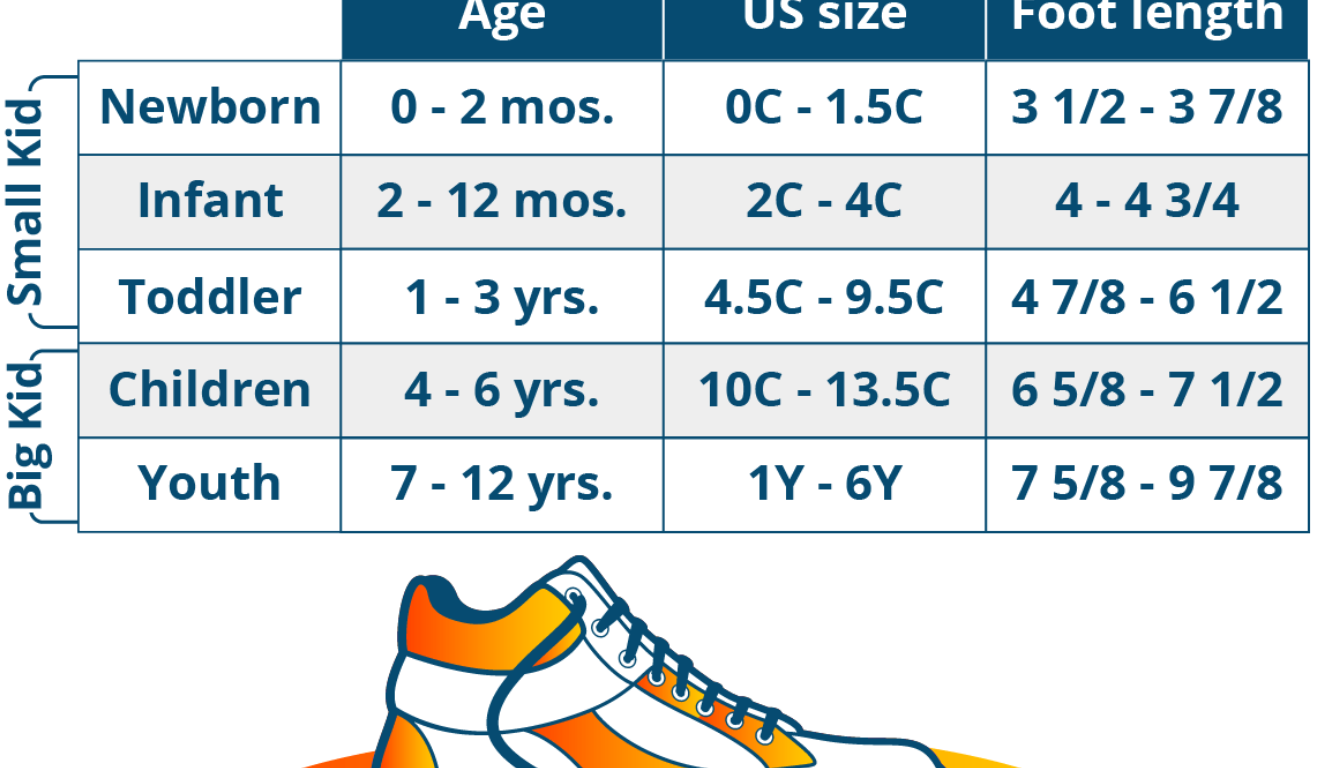
Shoe Size Chart for Kids: What Does C Mean in Shoe Size for Children?
If you’re shopping for children’s shoes, it’s crucial to know the common widths for kids. Children’s shoes come in different width categories, and “C” is one of the more common designations for narrow shoes. For instance:
Infants (0-1 years): These shoes usually come in widths such as “B” or “C” for narrow feet.
Toddler Shoes: You may see sizes like “3C,” “4C,” and “5C,” all of which indicate narrow shoe widths for toddlers.
Big Kids (5 years and up): In big kids’ shoes, you’ll often see a “C” width as an option for kids with narrower feet, like a “7C” or “10C.”
It’s important to remember that kids’ feet grow quickly. Regularly measuring their foot size and width ensures that you’re purchasing shoes that fit properly, avoiding discomfort or foot issues down the line.
What Does C Mean in Shoe Size for Adults?
Although less common than in kids’ shoes, the letter “C” can also show up in adult sizing charts, especially for women. Women’s shoe sizes typically use the letter “C” to denote a narrow width. For example, if you see a women’s shoe labeled as “8C,” it means the shoe is a size 8 with a narrow width.
In adult shoes, “C” is often used in high-quality or custom-fit footwear brands that offer a variety of widths. It’s crucial to know your foot’s width, as wearing shoes that are too wide or too narrow can lead to discomfort or long-term foot problems.
How Does a Narrow Shoe (C Width) Affect Comfort?
Wearing shoes that are too narrow can lead to a number of discomforts, including blisters, calluses, and general foot pain. When shopping for shoes with a “C” width, it’s essential to ensure that the fit is snug but not tight. A narrow shoe should provide enough room for the foot to move naturally without pinching or squeezing.
On the flip side, if your foot is wider than “C,” you may experience discomfort due to pressure points in the shoe. It’s always better to go for a slightly wider width if you’re in between sizes.
How to Choose the Right Shoe Width
Choosing the right shoe width can make all the difference in your comfort and foot health. Here are a few tips for finding the right fit:
Know Your Foot Type: Start by determining whether you have narrow, average, or wide feet. Use a Brannock device or a foot measuring tool to get an accurate reading.
Don’t Overestimate Your Size: Shoe sizes can vary between brands. Always check the brand’s sizing guide, especially when it comes to width measurements.
Consider Foot Conditions: If you have foot conditions like bunions or hammertoes, you may need a wider shoe to accommodate the extra space.
Try Shoes On: The best way to find out if a shoe fits is to try it on. Walk around in it to ensure it’s comfortable, especially in the width area.
Common Mistakes When Shopping for Shoes
Shopping for shoes can be tricky, especially when it comes to width. Here are some common mistakes people make when shopping for shoes:

Ignoring Width: Many people focus only on the length of the shoe and neglect the width. This can lead to shoes that are too tight or too loose.
Not Measuring Your Feet: Feet change over time, so it’s essential to measure your feet regularly, especially as you age or if you experience weight changes.
Assuming All Brands Fit the Same: Different brands may have different sizing standards, so always check the brand-specific size chart before making a purchase.
Frequently Asked Questions
What does “C” mean in shoe size?
The letter “C” in shoe size typically indicates a narrow width. It is commonly used for children’s shoes but can also appear in adult shoe sizes, especially for women. A “C” width shoe is designed for individuals with slimmer feet to ensure a snug and comfortable fit.
Is “C” width common for adult shoes?
While “C” is more commonly associated with children’s shoe sizes, it can appear in adult footwear, particularly in women’s shoes. For women, “C” typically refers to a narrow width. If you have narrower feet, you might find “C” width shoes in some brands offering a variety of width options.
How can I tell if I need a “C” width shoe?
To determine if you need a “C” width shoe, measure the width of your foot and compare it to a shoe size chart. If your foot is on the narrower side, a “C” width shoe may provide a better fit. Trying on shoes or getting fitted by a professional can also help you decide if “C” is the right width for you.
Can I wear a “C” width shoe if I have wide feet?
If you have wide feet, a “C” width shoe may not be the best fit. A “C” width is designed for narrower feet, and wearing shoes that are too narrow can cause discomfort, blisters, and long-term foot problems. It’s recommended to choose a shoe with a wider width, such as “D” or “E,” if you have wider feet.
Are all shoe brands the same when it comes to width sizing?
No, shoe sizing can vary between brands. Each brand may have its own standards for width measurements, so it’s important to check the brand’s size chart before making a purchase. Some brands offer more width options than others, so you may need to try different brands to find the best fit for your foot width.
Conclusion
Now that you know what “C” means in shoe size, you can make better decisions when shopping for shoes. Whether you’re buying kids’ shoes or adult shoes, understanding how shoe width works will ensure you’re getting the right fit. Remember, the width of your shoe is just as important as the length, so don’t overlook it when shopping.
If you’re shopping for shoes right now, take a moment to measure your feet and check the width. Knowing your exact size will help you find the most comfortable shoes that will last longer and prevent foot problems.